
Foot surgery covers a range of procedures, and understanding the common ones takes some of the mystery out of it. This is a plain-English look at some of the foot surgeries podiatric surgeons perform most often, what they treat and when they are considered. It is general information, not a recommendation, since the right choice is always individual.
When Is Foot Surgery Considered?
Surgery is generally a considered step, taken only when conservative treatment has been tried or ruled out and the problem still warrants it. We cover this in detail in when is foot surgery necessary. The procedures below are among the more common, but whether any applies to you is a matter for assessment.
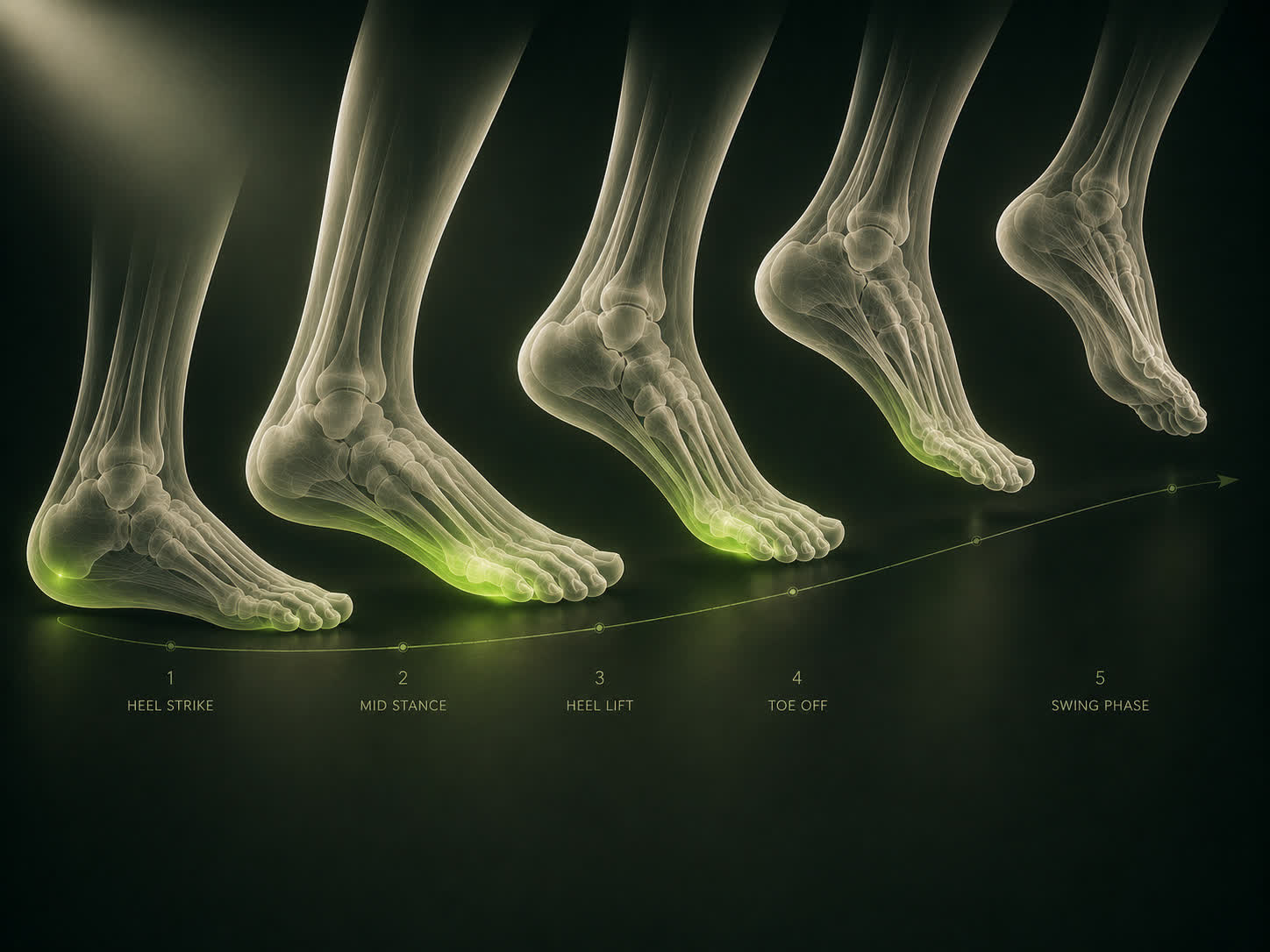
Common Foot Surgeries and What They Treat
Some of the procedures seen most often include:
- Bunion correction, to realign the big toe joint when a bunion is advanced or painful
- Surgery for toe deformities such as hammertoes that have become fixed or painful
- Procedures for recurrent ingrown toenails that keep returning despite treatment
- Surgery for certain nerve or soft-tissue problems in the forefoot
Each addresses a specific problem, and each is only one option among several.
What Surgery Aims to Achieve
The goal of foot surgery is to relieve pain and restore function when less invasive care has not been enough. For a painful bunion, for example, our bunion treatment starts conservatively and only moves to surgery when it is the right step. The same principle applies across the board.

How to Find Out What Is Right for You
The way to know whether surgery is warranted is a surgical consultation, where we assess the problem, explain the options honestly, and set out what each involves. Recovery is planned individually, which we cover in regaining foot strength after surgery.
At Advanced Footcare Group we assess every option before recommending surgery, and guide patients through it when it is the right choice.
To understand your options, call 01306 883 332 or book an appointment.
Frequently asked questions.
What are the most common foot surgeries?
Some of the most common include bunion correction, surgery for troublesome toe deformities such as hammertoes, procedures for recurrent ingrown toenails, and surgery for certain nerve or soft-tissue problems in the forefoot. Which, if any, is right depends entirely on the individual and is decided after assessment.
Is foot surgery always the last option?
For most conditions, yes. Surgery is generally considered only when conservative treatments have been tried or ruled out and the problem still justifies it. The aim is always to use the least invasive effective option, and for many people that means no surgery at all.
How do I find out if surgery is right for me?
The way to know is a surgical consultation. We assess the problem in detail, explain whether surgery is genuinely warranted, and set out the alternatives and what each involves, so you can decide with full information and no pressure.