
Bunions are one of the most common foot complaints and one of the most misunderstood. Knowing what a bunion actually is, why it forms and what does and does not help clears up a lot of confusion and makes it easier to deal with. Here is a straightforward explanation.
What Is a Bunion, Exactly?
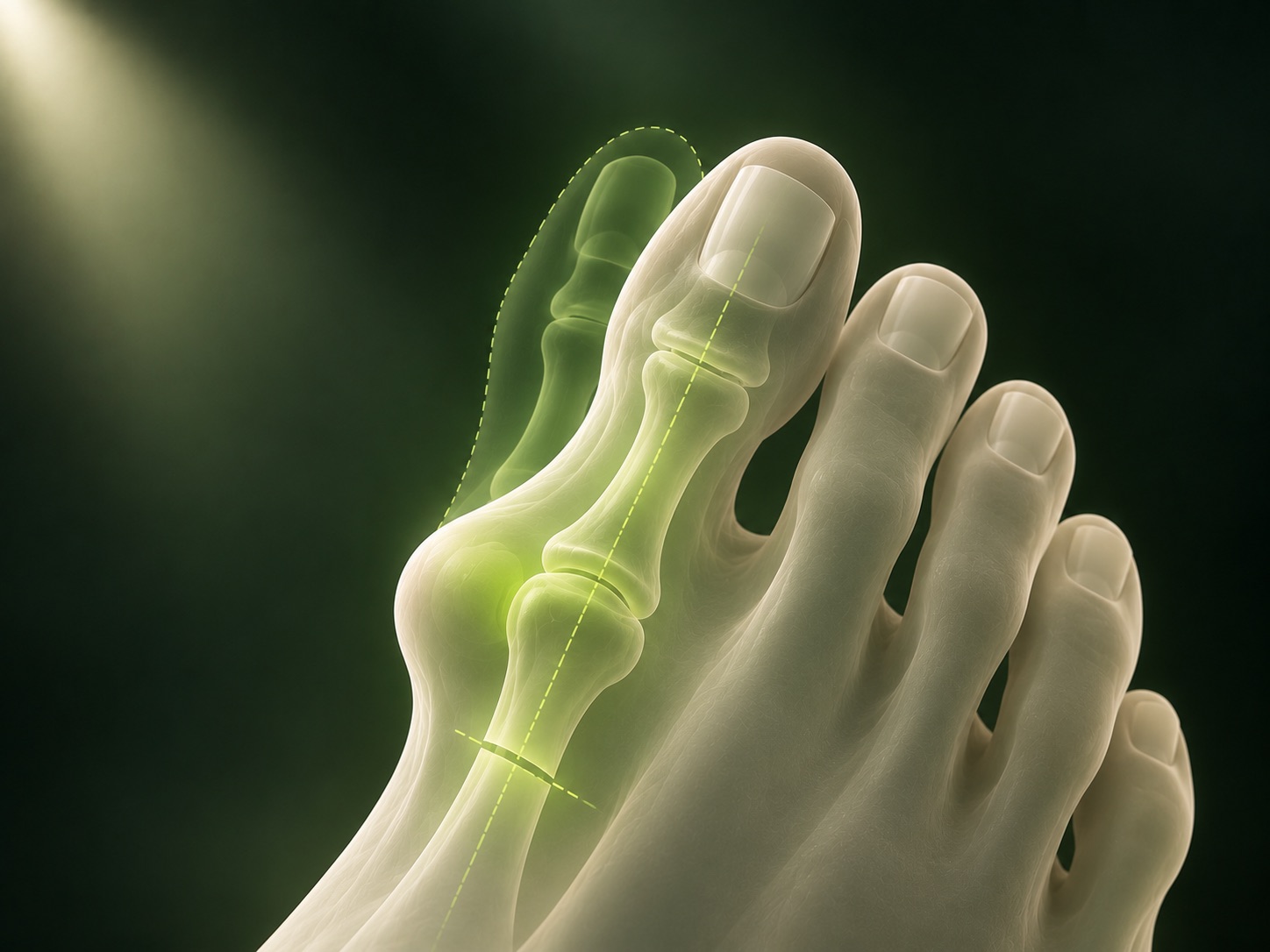
A bunion is a change in the structure of the big toe joint. The toe gradually drifts towards its neighbours and a bony bump forms on the inner edge of the foot. It is not simply a lump on the skin, which is why it tends to develop and progress slowly rather than stay the same or disappear.
What Causes Bunions?
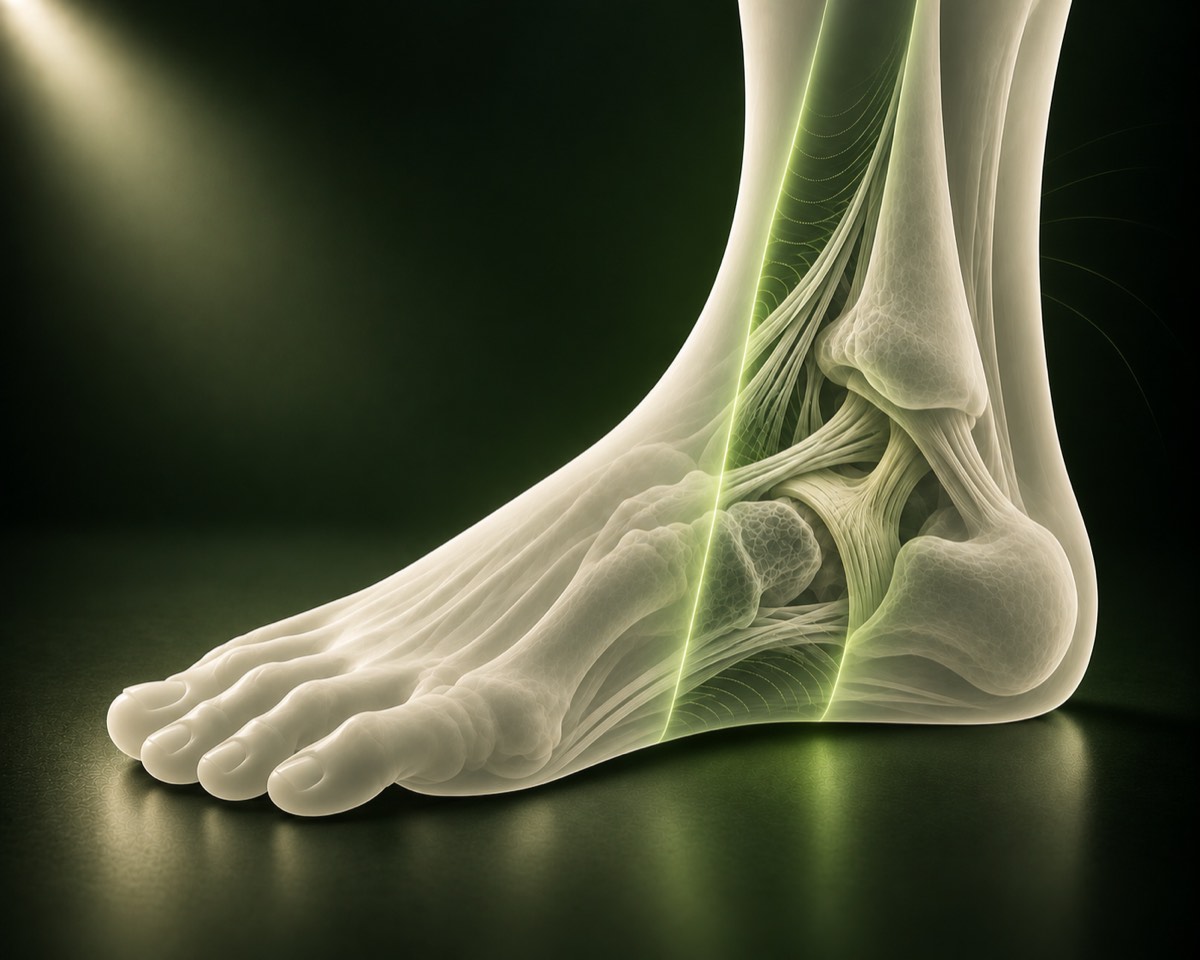
The main drivers are foot shape and genetics, which is why bunions often run in families. Footwear that crowds the toes can make a bunion worse and more painful, and it becomes more common with age as the joint changes. The look-alike conditions people confuse with bunions are covered in conditions often mistaken for a bunion.
Who Is Most Likely to Get a Bunion?
Some people are simply more prone to them:
- Those with a family history of bunions
- Women, who develop them more often than men
- People whose foot mechanics put extra strain on the big toe joint
- Older adults, as the joint changes over time
- Those who regularly wear tight or narrow footwear
Being in one of these groups does not mean you will get a bunion, only that it is more likely.
Common Bunion Myths
Two myths cause trouble. The first is that tight shoes alone cause bunions, when the underlying tendency is structural. The second is that nothing can be done until surgery, when in fact early bunion treatment can settle symptoms and slow progression long before surgery is on the table, as we explain in why early bunion treatment matters.
At Advanced Footcare Group we assess and treat bunions at every stage and explain clearly what is going on with yours.
To understand your bunion and what helps, call 01306 883 332 or book an appointment.
Frequently asked questions.
What exactly is a bunion?
A bunion is a bony bump that forms on the inner edge of the foot as the big toe joint gradually shifts out of line and the toe drifts towards the others. It is a change in the structure of the joint, not just a lump on the skin, which is why it tends to progress over time.
What causes bunions?
Foot shape and family history are the main factors, so bunions often run in families. Footwear that crowds the toes can make them worse and more painful, but it is rarely the sole cause. They become more common with age as the joint changes.
Do tight shoes cause bunions?
Tight, narrow or high-heeled shoes can aggravate a bunion and speed its progression, but they are not usually the only cause. The underlying tendency comes from foot structure and genetics. Sensible footwear helps manage a bunion but will not by itself prevent one in someone predisposed to them.