
A painful bunion turns ordinary walking into something you have to think about. The good news is that a lot can be done to ease the discomfort, both at home and with professional help. Here are practical ways to relieve bunion pain, and how to know when it needs more than self-care.
What Makes a Bunion Painful?
Pain comes from two things: the misaligned joint itself, and the bump rubbing against footwear. Tight or narrow shoes make both worse, which is why bunion pain often flares after a day in the wrong shoes. Easing it is largely about taking pressure off the joint.
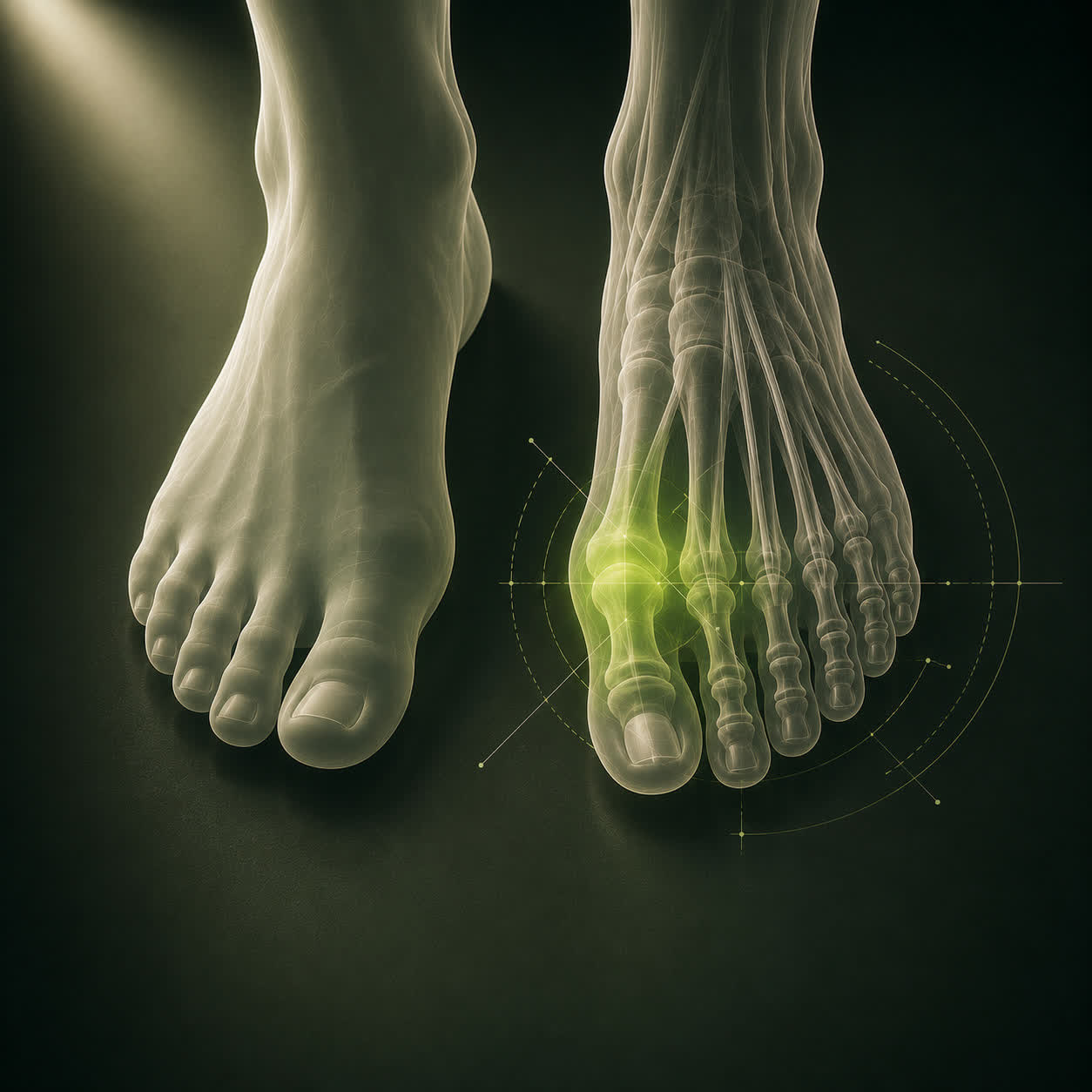
How to Relieve Bunion Pain at Home
Several simple measures settle day-to-day discomfort:
- Wear wider, well-cushioned shoes with a roomy toe box
- Use padding over the bump to reduce rubbing
- Rest and ice the joint after it has been aggravated
- Avoid long periods in tight or high-heeled shoes
- Keep to comfortable, supportive footwear on busy days
These ease the symptoms. They do not correct the bunion, so if pain keeps coming back, the bunion itself needs looking at.
When Home Relief Is Not Enough
If bunion pain keeps returning despite sensible footwear and padding, that is the sign to have it assessed. A podiatrist can look at the joint and how you walk and offer more, from custom orthotics to, where appropriate, surgery. Our bunion treatment is built around what your foot actually needs.
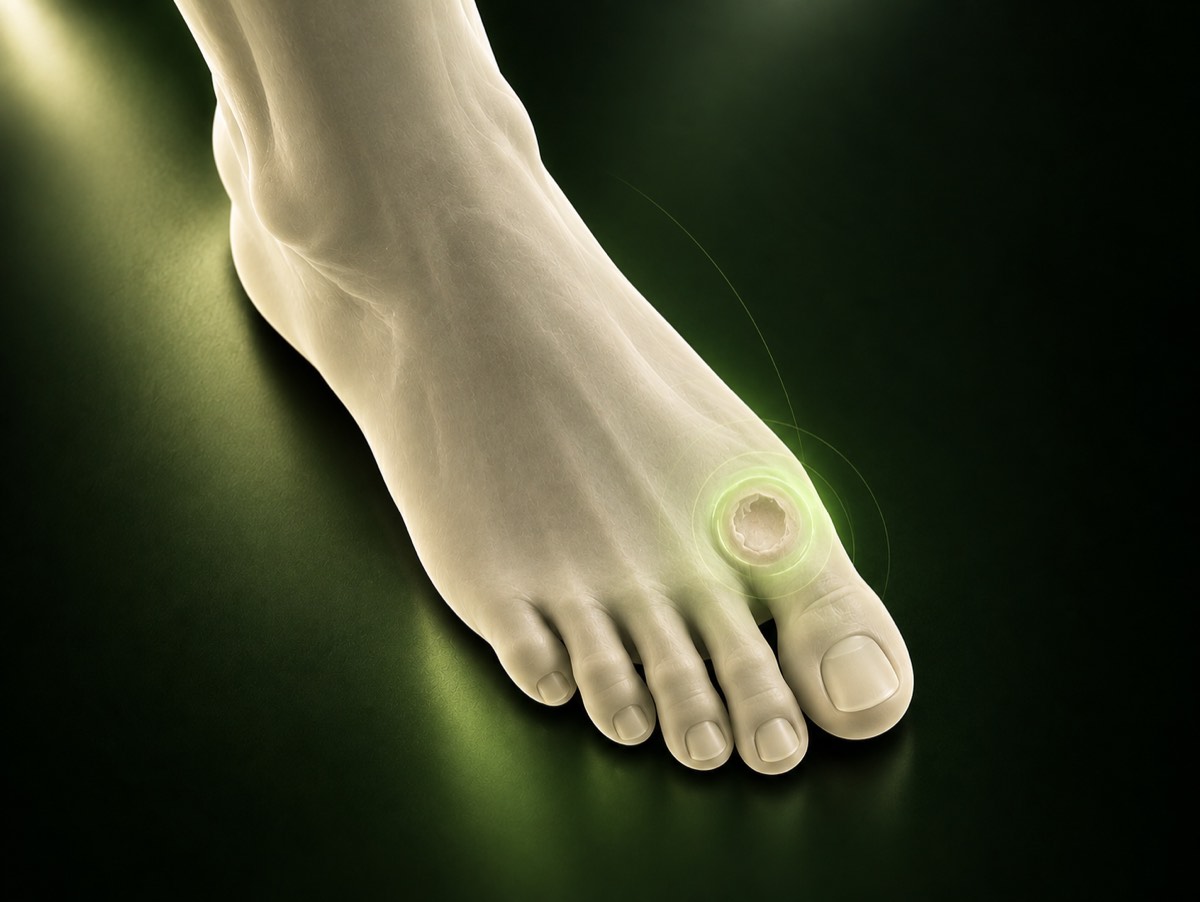
Treating the Cause, Not Just the Pain
Lasting relief usually comes from addressing why the joint is under strain, not just masking the discomfort. Treating a bunion earlier keeps more options open and the treatment simpler, which we explain in why early bunion treatment matters.
At Advanced Footcare Group we help patients get on top of bunion pain and deal with the cause, not just the symptoms.
If a bunion is causing you pain, call 01306 883 332 or book an appointment.
Frequently asked questions.
How can I ease bunion pain at home?
Wearing wider, well-cushioned shoes, using padding over the bump, and resting and icing the joint after it has been aggravated all help settle day-to-day bunion pain. These ease the symptoms rather than correct the bunion, so if pain keeps returning it is worth having the bunion assessed.
Do bunion pads and splints work?
Padding can genuinely reduce rubbing and take pressure off the joint, which eases discomfort. Splints may make the foot more comfortable for some people, but they do not straighten a bunion in adults. They are useful for managing symptoms, not for correcting the deformity.
When should I see someone about bunion pain?
See a podiatrist if bunion pain keeps returning, is affecting your footwear or activity, or is getting worse. Persistent pain is a sign the bunion needs proper assessment, and treating it earlier keeps the simpler options open.