
Heel pain is one of the most common reasons people see a podiatrist, and one of the most treatable once the cause is clear. The heel can hurt for several different reasons, and the right treatment depends on which one it is. Here is how to understand heel pain and what can be done about it.
What Causes Heel Pain?
Heel pain has a number of causes. The most common is plantar fasciitis, inflammation of the tissue along the sole, which classically causes sharp pain with the first steps of the day. Others include overuse, heel spurs, and problems in the surrounding tendons and nerves. Working out which one is behind your pain is the key to treating it.
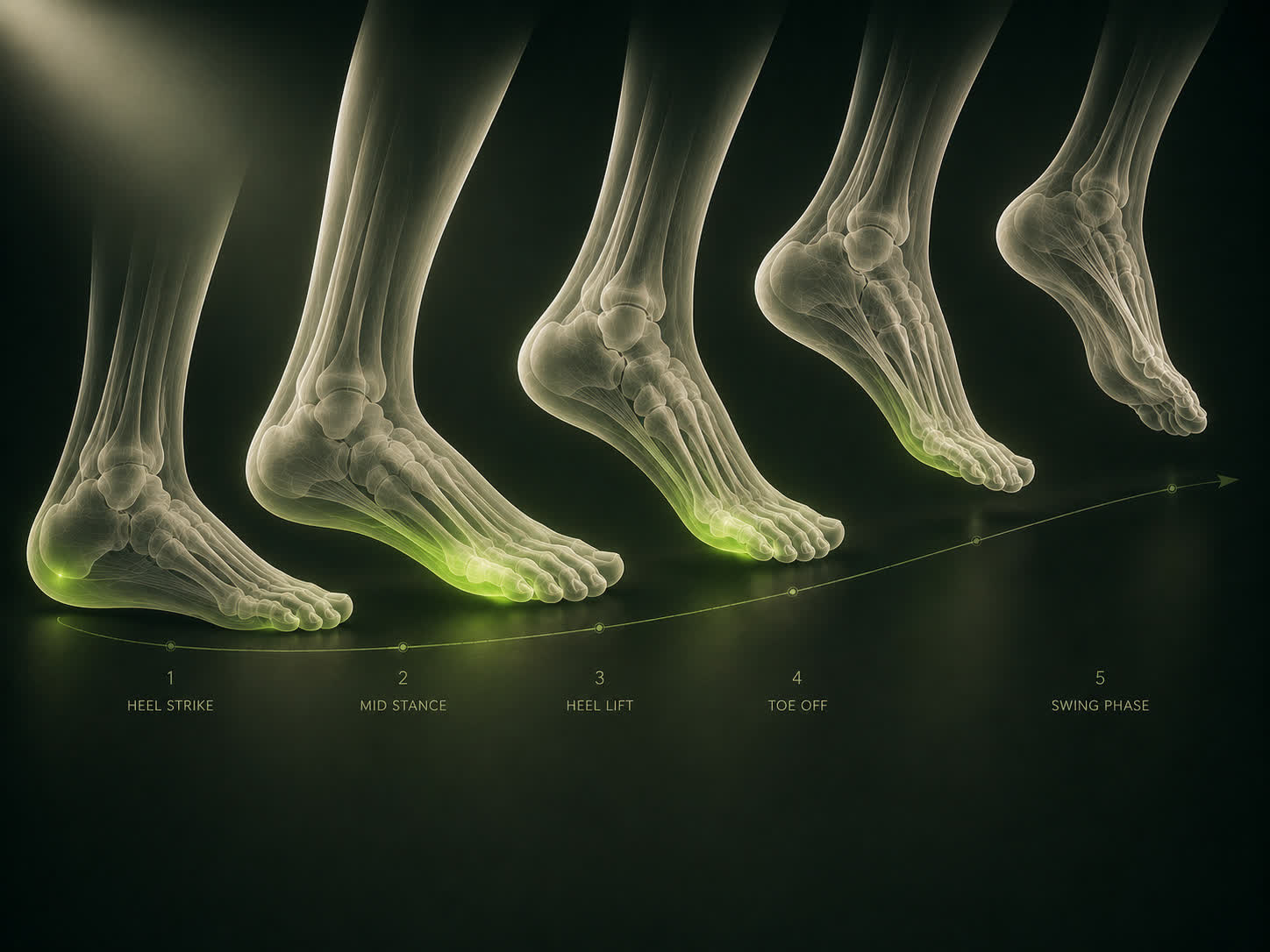
How to Tell What Is Behind Your Heel Pain
The pattern of the pain gives clues:
- Sharp pain with the first steps in the morning suggests plantar fasciitis
- Pain that builds during or after activity suggests overuse
- Pain at the back of the heel points to the Achilles tendon
- Pain with numbness or tingling can suggest a nerve involvement
These are pointers, not a diagnosis. A proper assessment confirms the cause.
How a Podiatrist Diagnoses and Treats Heel Pain
Assessment looks at where and when the pain occurs, and at how your foot loads when you stand and walk. Treatment is then matched to the cause, and our heel pain service commonly uses footwear advice, orthotics, stretching and other targeted measures. Because heel pain is often mechanical, the biomechanical approach we use in sports podiatry is central to getting it right.

When to See Someone About Heel Pain
See a podiatrist if heel pain lasts more than a couple of weeks, keeps returning when you are active, or is stopping you doing what you want. Early treatment usually resolves it faster and stops it becoming a long-term problem.
At Advanced Footcare Group we diagnose the real cause of heel pain and treat it, rather than offering a one-size-fits-all fix.
If heel pain is holding you back, call 01306 883 332 or book an appointment.
Frequently asked questions.
What is the most common cause of heel pain?
Plantar fasciitis, inflammation of the band of tissue along the sole, is the most common cause. It classically causes sharp heel pain with the first steps in the morning that eases as you move. Other causes include heel spurs, overuse and, less often, nerve or stress-related problems, which is why assessment matters.
Will heel pain go away on its own?
Some mild heel pain settles with rest and sensible footwear. But heel pain that persists for weeks, or that returns whenever you are active, usually needs proper assessment and treatment. The longer it is left, the more entrenched it can become, so it is worth acting on.
How is heel pain treated?
Treatment depends on the cause. It commonly includes footwear advice, orthotics to support the foot, stretching and, where appropriate, other targeted treatments. A podiatrist identifies what is driving your heel pain and matches the treatment to it, rather than treating every heel the same.