
A bunion is a bony bump that forms at the base of the big toe as the joint gradually shifts out of line. This guide walks through what causes them, how they are assessed, and the full range of bunion treatment, from simple non-surgical measures to surgery and recovery, so you can see which option is likely to fit your situation.
What Causes a Bunion, and Who Gets Them?
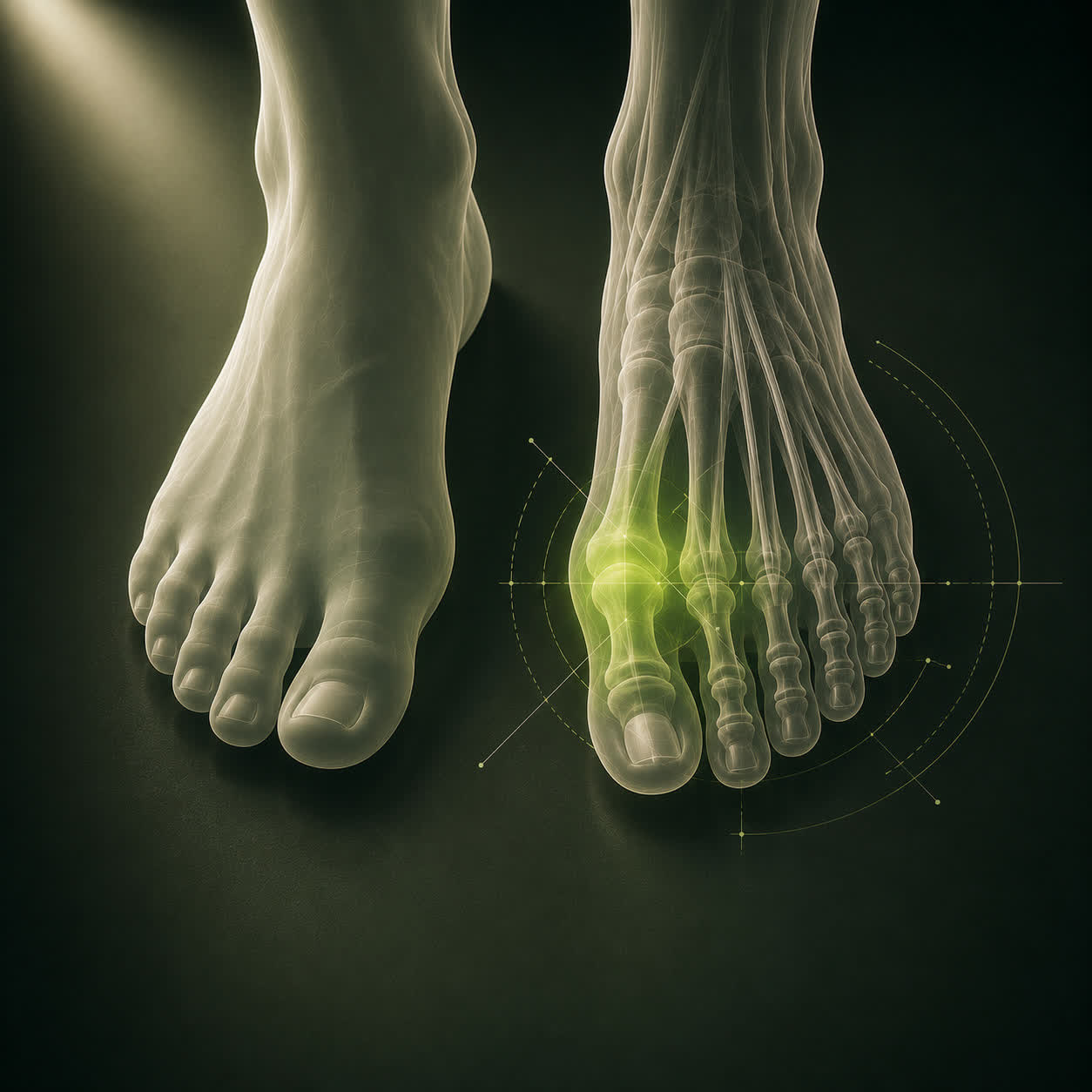
Bunions develop when the bones and soft tissues around the big toe joint shift, pushing the toe towards its neighbours and forming a bump on the inner edge of the foot. Family history and foot shape play a large part, and footwear that crowds the toes can make matters worse. They are more common with age and tend to progress slowly rather than appear overnight.
How Bunions Are Assessed Before Treatment
Good bunion treatment starts with a proper assessment, not a quick look. A podiatrist examines the joint, checks how far the toe has moved, and looks at the mechanics of how you stand and walk, since that often drives the problem. This is also the point where treating a bunion early makes the biggest difference, which we cover in why early bunion treatment matters.
Non-Surgical Bunion Treatment Options
For most bunions, and especially those caught early, non-surgical care is the first step and is often enough on its own. The aim is to take pressure off the joint, settle the symptoms and slow the shift. Common measures include:
- Custom orthotics that support the foot and redistribute pressure away from the joint
- Footwear with a wider toe box to remove day-to-day rubbing and crowding
- Padding and splinting to protect the bump and ease the load
- Exercises to keep the joint mobile and the surrounding muscles working
Our bunion treatment begins with these conservative options wherever they are appropriate, tailored to your foot rather than a fixed template.
Bunion Surgery: What It Involves and When It Is Needed
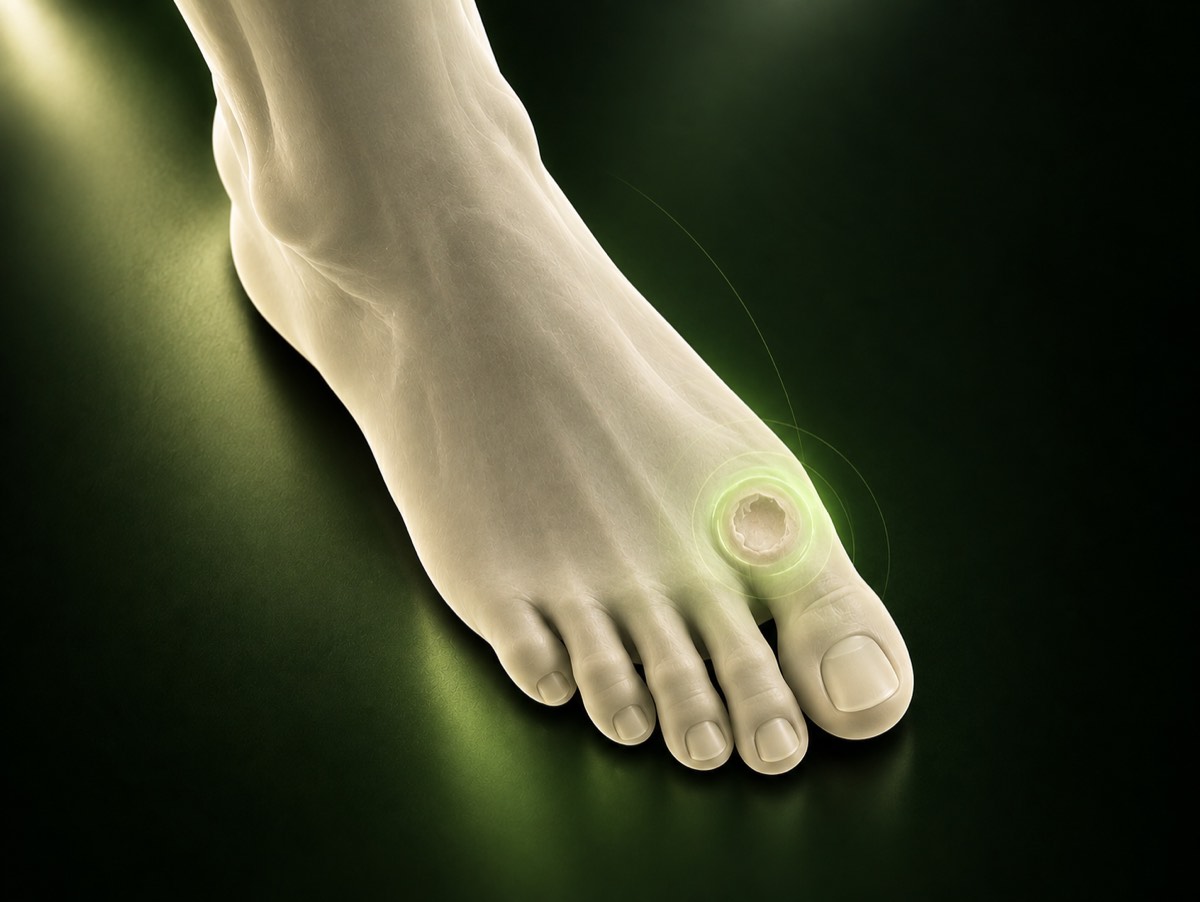
When a bunion is advanced, stays painful despite conservative care, or limits what you can do, surgery may be the right route. It is a considered step, not a first resort. Where surgery is appropriate we explain it fully at a surgical consultation, including the procedure, the recovery and the likely outcome, so you can make an informed decision.
Recovering After Bunion Surgery
Recovery depends on the procedure and the individual, so we plan it with you rather than quoting a single timeline. It typically involves a period in a supportive shoe, a gradual return to normal footwear, and a staged return to more demanding activity. Following the aftercare advice closely gives the best chance of a strong, lasting result.
How to Choose the Right Bunion Treatment for You
The right choice depends on how advanced the bunion is, how much it affects you, and what you want from treatment. The sensible starting point is nearly always an assessment while your options are still wide open. Early on, a simple non-surgical plan is frequently all that is needed.
At Advanced Footcare Group we treat bunions at every stage, from the first signs through to surgical correction, and every patient sees a named clinician who plans around their foot.
Call 01306 883 332 or book an appointment, and we will assess the joint, explain what we find in plain English, and set out the options we would recommend.
Frequently asked questions.
How do I know if I need bunion surgery?
You may need surgery if the bunion is painful despite non-surgical care, if it is limiting what you can do day to day, or if the deformity is advanced. Most bunions do not reach that point, especially when treated early. The way to know is an assessment, where the joint and how you walk are examined and the realistic options are explained before any decision is made.
How long does it take to recover from bunion surgery?
Recovery varies with the procedure and the person, so we avoid quoting a single figure. In general you can expect a period in a supportive shoe, a gradual return to normal footwear, and a longer period before higher-impact activity. Your surgeon will give you a recovery plan specific to your operation at your consultation.
Will a bunion come back after treatment?
Well-chosen and well-performed treatment gives a good, lasting result for most people. Wearing sensible footwear and following any orthotic or aftercare advice reduces the chance of problems returning. We will talk you through how to protect the result at your appointment.