
A bunion is a progressive change in the alignment of the big toe joint, and left alone it tends to get slowly worse. Our podiatric specialists have decades of experience treating bunions at every stage, from the earliest signs through to surgical correction, always starting with a proper assessment.
Signs of a Bunion
A bunion shows as a bony bump on the inside of the foot at the base of the big toe, often with the toe itself starting to lean towards its neighbours. The skin over the bump can become red, sore or hard, shoes may rub or stop fitting comfortably, and the joint can ache after a long day on your feet. Spotting these signs early gives you the most options.
What Causes Bunions
Bunions usually develop from the way the foot is built and the way it loads when you walk, which is why they often run in families. Footwear that crowds the toes can speed the process along, and conditions such as arthritis can play a part. Because the underlying cause is mechanical, we always look at how your foot moves, not just the bump itself.
How We Assess Your Bunion
At your first appointment we examine the joint, check how far it moves and whether it is painful, and look at how you stand and walk. We explain what stage the bunion is at and what is realistic, so you leave knowing whether it needs treating now or simply keeping an eye on.
How We Treat Bunions
For most bunions, and especially those caught early, non-surgical care is the first step and is often enough on its own:
- Custom orthotics that support the foot and take pressure off the joint
- Footwear advice, since a wider toe box removes a lot of the day-to-day irritation
- Padding and splinting to reduce rubbing and ease the load
- Monitoring and advice to keep the bunion stable and comfortable
Treating a bunion early keeps the simpler options open, which we explain in why early bunion treatment matters.
When Bunion Surgery Is Needed
If a bunion is advanced, painful despite conservative care, or limiting what you can do, surgery may be the right route. It is a considered decision, not a first resort. Where surgery is appropriate we explain it fully at a surgical consultation, including the procedure, recovery and likely outcome. For more, see our complete guide to bunion treatment.
Recovery and Aftercare
Where surgery goes ahead, recovery is planned around your daily life and supported throughout, from protecting the foot in the early weeks to a staged return to normal footwear and activity. We are clear about timescales before anything happens, so you can plan work, driving and time off.
Why Choose Advanced Footcare for Bunion Treatment
- A named clinician who plans around your foot
- Both non-surgical and surgical treatment under one roof
- Decades of experience across the full range of bunion care
- Affordable treatment, including for patients without private insurance
- A single, transparent fee covering pre-operative, operative and post-operative care where surgery is needed
Call 01306 883 332 or book an appointment and we will assess the joint, explain what we find, and set out the options we would recommend.
Frequently asked questions.
Can a bunion be treated without surgery?
Often, yes, especially when it is caught early. Orthotics, footwear advice and padding can settle the symptoms and slow the progression, and for many people that is enough. Surgery is considered only when a bunion is advanced or stays painful despite conservative care.
Do I need a referral for bunion treatment?
No. You can book a private assessment with us directly, without a GP referral. We look at the bunion and how you walk, explain the options honestly, and only recommend treatment that is genuinely worthwhile.
Is bunion surgery painful?
Some discomfort after surgery is normal and is well managed with pain relief and aftercare. We explain the procedure and recovery fully at your consultation so you know what to expect before anything goes ahead.
Will a bunion get worse if I leave it?
Bunions tend to progress slowly over time, though the pace varies from person to person. Leaving a comfortable one alone will not usually cause harm, but having it assessed means you know where you stand and can act early if it starts to change.

Our team
Care from named, HCPC-registered specialists.
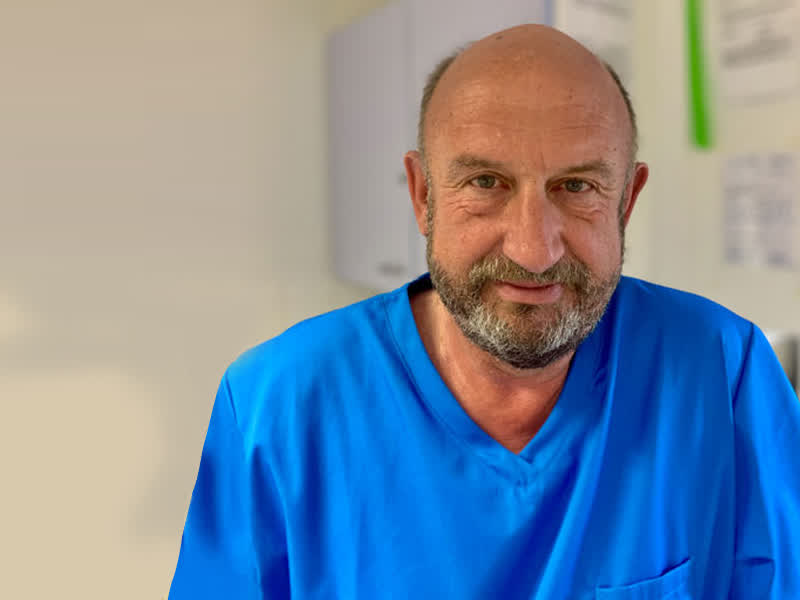
Every patient is looked after by a named clinician who sees them through from the first assessment to treatment and follow-up, so nothing gets lost between appointments. Get to know the team who will be looking after your feet.
Meet the team →


INTERACTIVE APPOINTMENT GUIDE
Find the right appointment
We'll guide you to the most appropriate clinician in around two minutes using our interactive foot guide.
Your foot
Drag to turn · click to pin
Explore your foot
Select an area of the foot
Rotate the model and choose the area that's troubling you. We'll show the conditions we most often see there and how we treat them.
Drag to rotate the model
Or let it auto-rotate to preview
Click a highlighted area to explore
OTHER SERVICES